
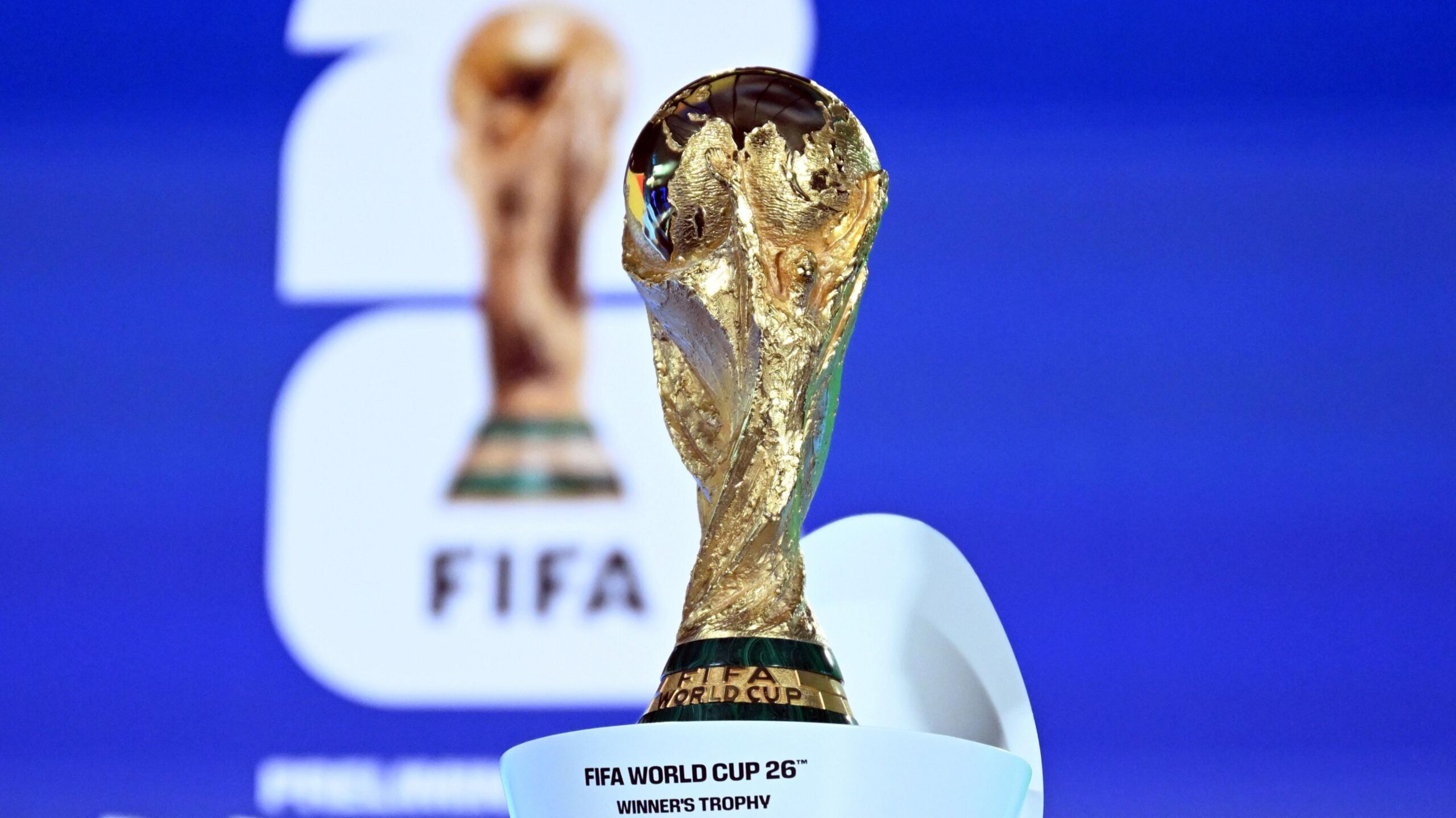
How the 2026 FIFA World Cup Could Transform Real Estate Through Tourism and Hospitality
How the 2026 FIFA World Cup Could Transform Real Estate Through Tourism and Hospitality Opportunities
The 2026 FIFA World Cup is already being described as one of the largest sporting events in modern history. With matches spread across 16 host cities and millions of expected visitors, the tournament presents a major opportunity for the global real estate industry. Beyond football, the World Cup acts as a catalyst for tourism growth, infrastructure development, hospitality expansion, and urban regeneration.
For investors, developers, hospitality operators, and governments, the event could reshape property markets in ways that extend far beyond the final whistle.
Tourism Growth Will Drive Demand for Accommodation
One of the clearest impacts of the World Cup is the surge in international tourism. Hotels, short-term rentals, serviced apartments, and mixed-use developments are expected to experience unprecedented demand during the tournament period.
Industry projections suggest that millions of fans will travel across North America for the competition, creating strong pressure on accommodation supply. Cities such as Miami, Dallas, Los Angeles, Toronto, Mexico City, and New York/New Jersey are already preparing for occupancy spikes and increased visitor spending.
This creates immediate opportunities for:
- Hotel development and renovation
- Short-term rental investments
- Serviced apartment projects
- Luxury hospitality assets
- Vacation rental management businesses
Real estate investors are increasingly targeting properties near stadium districts, transit hubs, entertainment zones, and tourism corridors because these locations are likely to benefit from increased visitor traffic.
According to legal and real estate analysts, World Cup-driven tourism can stimulate long-term demand for hospitality infrastructure if cities position themselves strategically.
Hospitality Real Estate Could Become One of the Biggest Winners
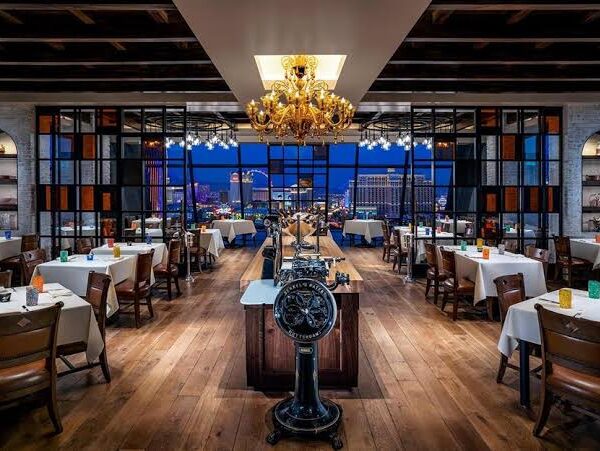
The hospitality sector often experiences the most direct financial impact during mega sporting events. Hotels, restaurants, resorts, bars, and entertainment venues typically record substantial revenue growth.
Some host cities are already reporting extremely high booking activity and rising accommodation prices ahead of the tournament.
This surge creates opportunities for:
1. Hotel Expansion Projects
Existing hotels may undergo upgrades, expansions, or repositioning to attract higher-spending visitors. Luxury and lifestyle hospitality brands are especially likely to benefit from increased international exposure.
2. Short-Term Rental Investments
Platforms like Airbnb are expected to play a major role during the World Cup. Investors who own apartments and vacation homes in strategic locations may generate premium rental income during the event period.
3. Mixed-Use Developments
Developers are increasingly focusing on mixed-use projects that combine hospitality, retail, entertainment, and residential spaces. These developments help cities create long-term tourism ecosystems instead of temporary event infrastructure.
4. Restaurant and Entertainment Real Estate
Areas near fan zones, stadiums, and transportation hubs may experience increased demand for food, nightlife, and recreational facilities. Commercial property owners could benefit from higher leasing activity and stronger tenant demand.
Infrastructure Development Can Increase Property Values
Mega sporting events often accelerate infrastructure investment. Governments typically improve transportation systems, roads, airports, public spaces, and urban facilities before hosting global tournaments.
For real estate markets, infrastructure upgrades can increase land values and stimulate urban regeneration.
Several World Cup host cities are already investing in transit improvements and tourism-related infrastructure projects.
Improved accessibility can make previously overlooked neighborhoods more attractive to investors and residents. This often leads to:
- Higher residential demand
- Increased commercial activity
- New retail developments
- Rising land appreciation
- Growth in tourism-focused districts
Historically, cities that successfully leverage infrastructure investments beyond the event itself tend to see stronger long-term real estate benefits.
The Rise of Sports Tourism as a Real Estate Driver
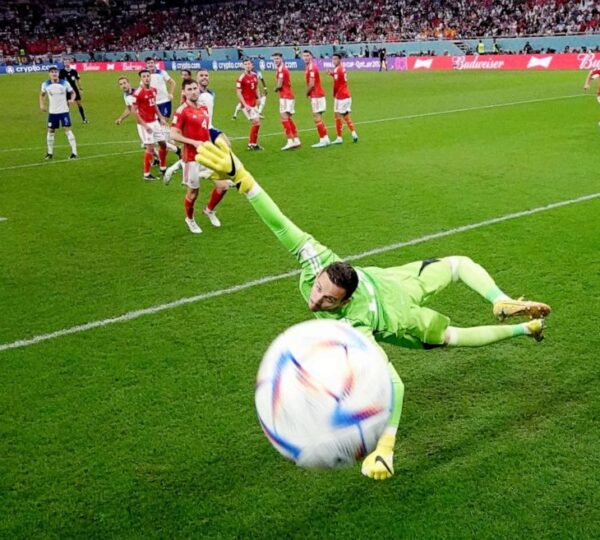
Sports tourism has become one of the fastest-growing sectors in global travel. The 2026 World Cup may further accelerate this trend.
Host cities have an opportunity to position themselves as long-term entertainment and tourism destinations. Real estate connected to sports tourism — including hotels, entertainment centers, sports bars, retail districts, and experiential venues — could benefit from sustained consumer activity after the tournament ends.
This is particularly important for cities looking to build long-term international visibility and attract future events, conferences, and tourism-related investments.
Urban Regeneration and Neighborhood Transformation
World Cups often trigger urban redevelopment projects designed to modernize city districts and improve the visitor experience.
In many cases, underdeveloped areas surrounding stadiums and transportation corridors become targets for:
- New residential projects
- Retail redevelopment
- Public-private partnerships
- Hospitality clusters
- Cultural and entertainment districts
Experts note that the true value of the World Cup lies not only in the event itself, but in the long-term transformation it can accelerate.
Cities that align tourism, infrastructure, and housing policies effectively may experience stronger economic resilience after the tournament.
Challenges Investors Must Consider
Despite the excitement, World Cup-driven investment is not without risk.
Some analysts warn that economic expectations can be overstated, particularly when cities rely too heavily on short-term tourism projections.
Recent reports have shown mixed hotel booking performance in some host markets, raising concerns about overpricing and unrealistic demand assumptions.
Investors should therefore avoid making decisions based solely on tournament hype.
Important considerations include:
- Long-term tourism sustainability
- Local infrastructure quality
- Short-term rental regulations
- Market fundamentals
- Occupancy trends after the event
- Political and economic conditions
The strongest opportunities are likely to emerge in cities that already have strong economic growth, tourism appeal, and infrastructure expansion plans.
Lessons for Emerging Real Estate Markets
The World Cup also offers valuable lessons for emerging markets, including countries in Africa and other developing regions.
Cities that invest strategically in tourism infrastructure, hospitality training, urban planning, and transportation can position themselves for future international events and global investment opportunities.
For African real estate developers and investors, the tournament highlights the growing relationship between sports tourism and property development. Countries with expanding tourism sectors may benefit from adopting similar hospitality-driven investment strategies.
Conclusion
The 2026 FIFA World Cup has the potential to become a defining moment for tourism and hospitality real estate. From hotel expansion and short-term rentals to infrastructure development and urban regeneration, the tournament could unlock billions of dollars in property-related opportunities.
However, success will depend on long-term planning rather than short-term speculation. Cities and investors that focus on sustainable tourism ecosystems, infrastructure legacy, and mixed-use development are more likely to benefit after the tournament concludes.
Ultimately, the World Cup is not just about football. It is about how global events can reshape cities, attract investment, and redefine the future of real estate through tourism and hospitality.

Leave a Reply
You must be logged in to post a comment.